sound moms
For little people / And the grown-ups beside them

Little Waves.

Helping kids love this place—and find their voice.

To splash, wonder, notice and belong. Here are a few ways to nurture children’s love for the Howe Sound and discover what we can do together.

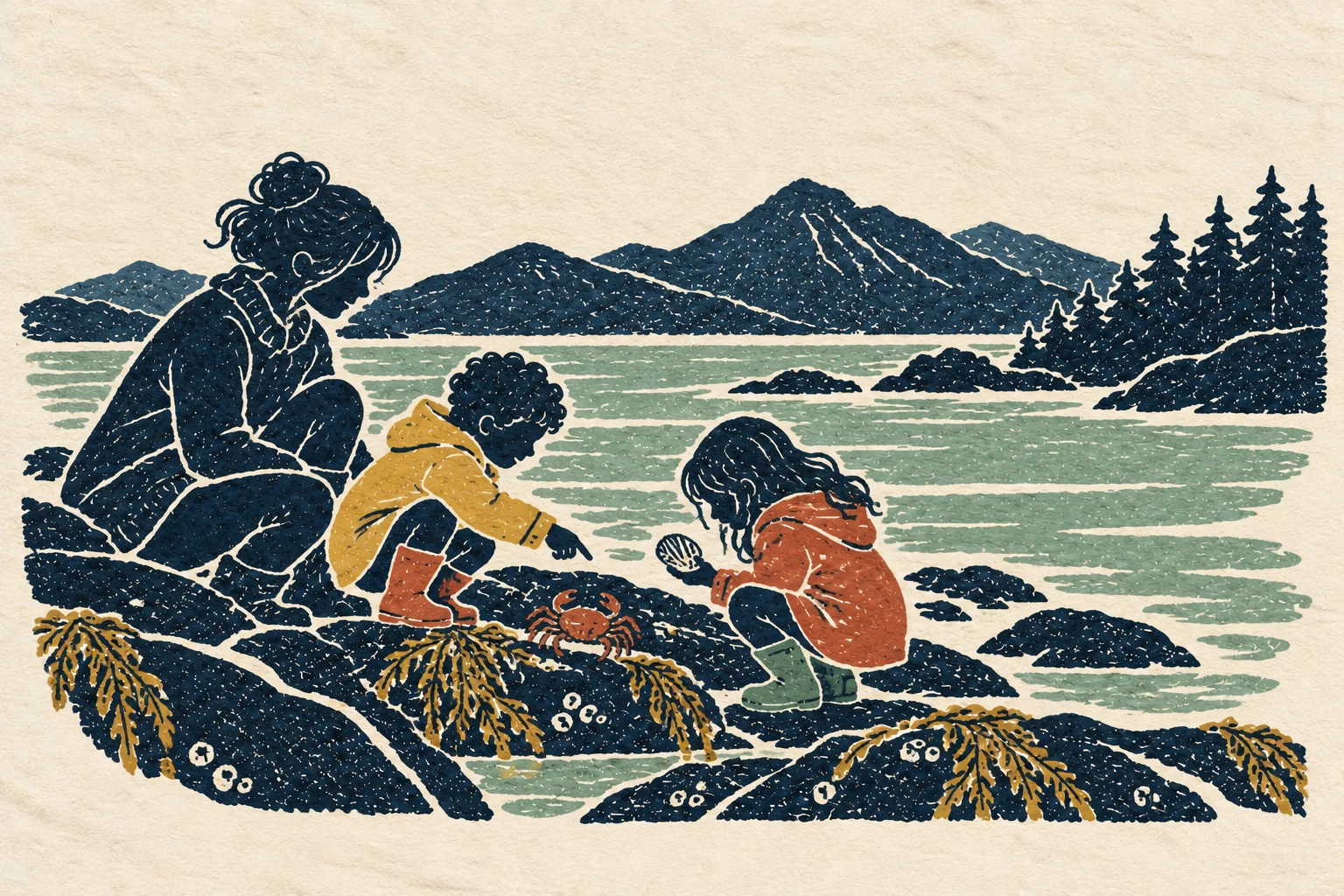
Block-print illustration of two children discovering a crab and shell beside a parent on the Howe Sound shore
Wonder comes first

Small hands.
A whole world to love.

Children can be part of caring for a place while having plenty of room to be children. We start with joy, curiosity and connection. Grown-ups carry responsibility for the bigger problems.

Little people / An easy place to begin

Five minutes.
A world of wonder.

For preschoolers, start with one small experience. Listen for three sounds, notice a colour or say hello to a favourite tree. Follow their curiosity and stop when they’re ready.

Then share a story: Hello Humpback! for coastal animals, Stand Like a Cedar for noticing the natural world or Big Feelings for a conversation about emotions.

Love this place / Three easy beginnings

A little time outside.
A lot to discover.

01 / A five-minute sound safari

What can you hear?

Choose a comfortable spot near home or on a familiar path. Pause together. Notice three sounds: a bird, wind in a tree, water against the shore.

Ask: Which sound would you like to hear again?

No need to stay still or keep quiet perfectly. Listening counts however your child joins in.

02 / A place to return to

Meet your little patch.

Choose a tree, a view or a small patch of shore you can revisit. Notice one colour, one shape and one thing that has changed. Sketch it or tell each other what you found.

Ask: What might be different next time?

A window view or a nearby planter can be a place to begin, too.

03 / A picture of belonging

Draw the Sound you love.

Draw a favourite animal, a place you visit or a memory by the water. Let your child tell the story in their own words. Make a small gallery with friends.

Ask: What would you like someone else to know about this place?

Use what you have: crayons, scrap paper, a story or a song.

Stay together near water, follow local access guidance and leave plants, animals and natural treasures where you find them.

This season / Autumn by the Sound

Follow the colours.

Gold on the path. Green in the branches. Grey-blue water. What colours can you find together?

Choose a short, familiar route or look from a sheltered spot. Let each person find three colours without picking anything. Notice what is changing and what stays green. Back home, draw a little colour map of your walk.

A question to carry: If we come back next week, what might look different?

No collecting or perfect weather required. A window view works, too.

Big feelings / Small conversations

You don’t need all the answers.
Start by listening.

“Is something wrong?”

Ask what they have heard and what they think it means. Give one clear answer that fits their question and age.

“People are asking questions about how to keep our air and water healthy. Grown-ups are working together to find answers.”

“I feel worried.”

Make room for the feeling before offering a solution. Acknowledge uncertainty without promising that nothing bad can happen.

“I’m glad you told me. We can talk about it. You don’t have to solve this.”

“Can I help?”

Offer a choice that matches their interest: draw, ask a question, learn about an animal or join something together. Let them say no or change their mind.

“Would you like to make a picture, come for a walk or just keep playing?”

“What happens next?”

Share one concrete thing adults are doing. Then return to everyday routines, connection and play.

“We’re learning from people who study the air. When we know more, we can talk again.”

These are example words to adapt to your child. For more guidance, explore UNICEF’s tips for talking about climate change ↗.

Our little bookshelf

Open a book.
Open a conversation.

Six places to begin, from first words to bigger questions. The age groups below are our flexible shared-reading suggestions; follow your child’s interest and readiness.

Showing all 6 books.
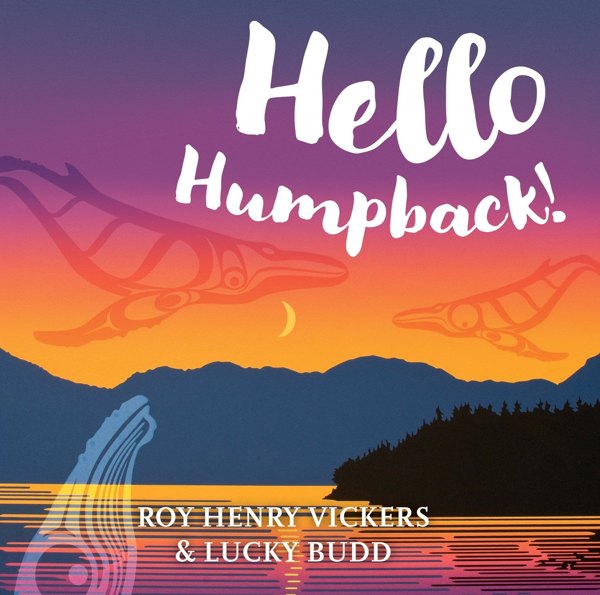
Cover of Hello Humpback!Little listeners · also lovely for babies and toddlers

Hello Humpback!

Roy Henry Vickers & Robert “Lucky” Budd

A bright board-book introduction to West Coast animals, with artwork by Roy Henry Vickers, whose heritage is Tsimshian, Haida, Heiltsuk and British. A gentle place to start noticing coastal life.

Wonder together: Which animal would you like to learn more about?

Explore the book ↗
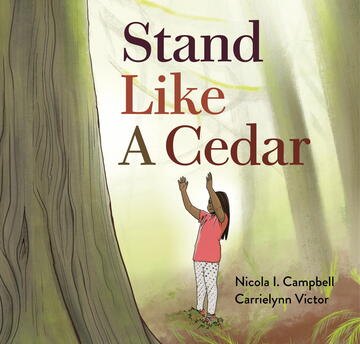
Cover of Stand Like a CedarRead together · approximately ages 3–8

Stand Like a Cedar

Nicola I. Campbell · Illustrated by Carrielynn Victor

A lyrical walk through land and family teachings by Nłeʔkepmx, Syílx and Métis author Nicola I. Campbell, with Stó:lō artist Carrielynn Victor. Includes Nłeʔkepmxcín and Halq’eméylem words.

Wonder together: What can you hear when we stop and listen?

Explore the book ↗
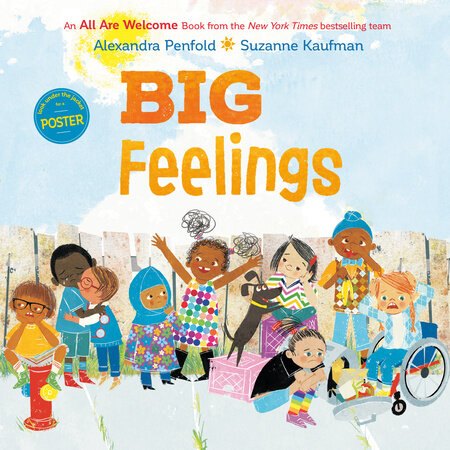
Cover of Big FeelingsRead together · approximately ages 3–8

Big Feelings

Alexandra Penfold · Illustrated by Suzanne Kaufman

A group of children makes room for different feelings and finds ways to work together. A starting point for naming emotions, beyond environmental topics.

Wonder together: Can two people feel differently about the same thing?

Explore the book ↗
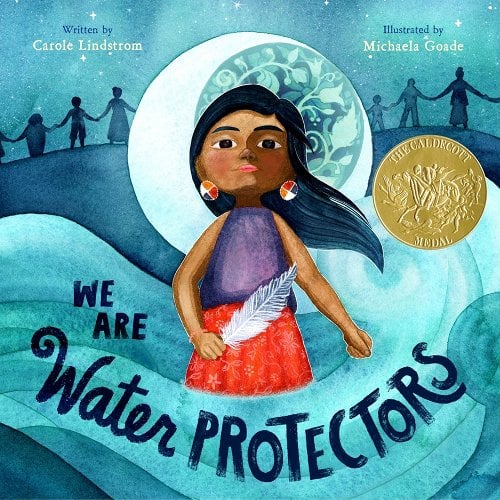
Cover of We Are Water ProtectorsRead together · approximately ages 4–8

We Are Water Protectors

Carole Lindstrom · Illustrated by Michaela Goade

An Indigenous-led story of protecting water, by Anishinaabe/Métis author Carole Lindstrom and Tlingit illustrator Michaela Goade. Read alongside your child; its imagery includes a threat to water.

Wonder together: Who needs water, and who helps care for it?

Explore the book ↗
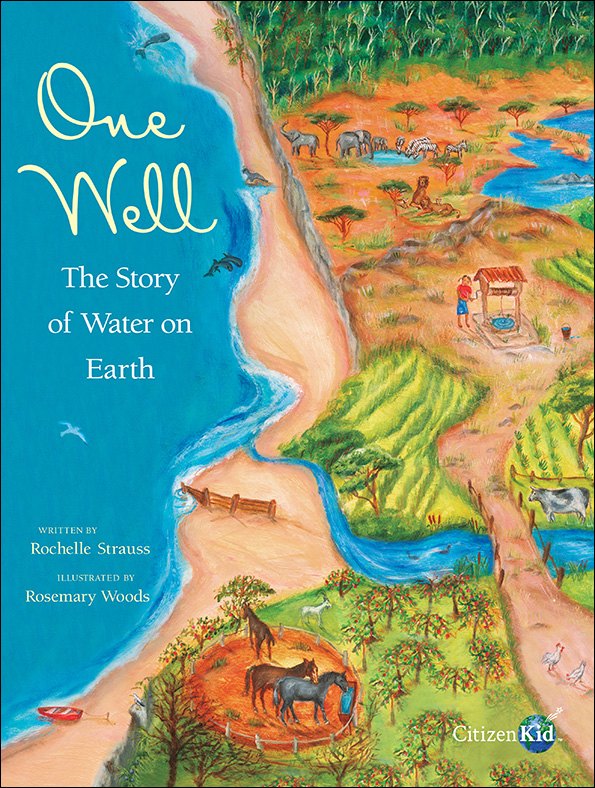
Cover of One Well: The Story of Water on EarthExplore together · approximately ages 8–12

One Well: The Story of Water on Earth

Rochelle Strauss · Illustrated by Rosemary Woods

Follow the connections among rain, rivers, oceans and living things. A Canadian author’s invitation to understand the water we share.

Wonder together: Where might this raindrop travel next?

Explore the book ↗
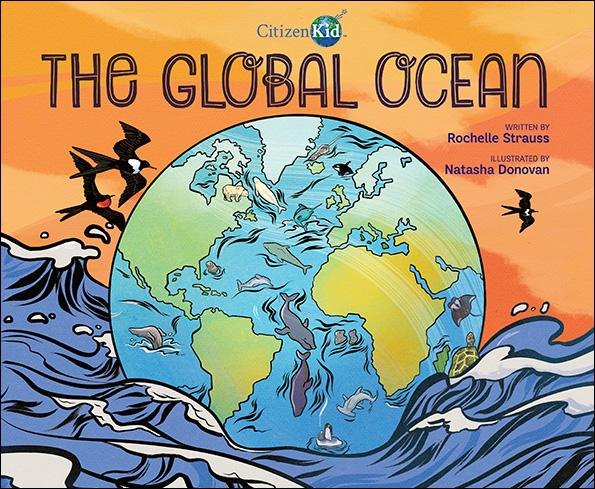
Cover of The Global OceanFor curious readers · approximately ages 8–12

The Global Ocean

Rochelle Strauss · Illustrated by Natasha Donovan

Explore one connected ocean, the pressures it faces and people working to care for it. Read a spread at a time and leave room for questions.

Wonder together: How is our part of the ocean connected to somewhere far away?

Explore the book ↗

Indigenous stories come from specific peoples and places. Stand Like a Cedar introduces Nłeʔkepmxcín and Halq’eméylem languages; We Are Water Protectors draws on Indigenous-led movements across North America. These books offer perspectives to learn from, rather than a single story for all Nations.
For the grown-ups / A caring world begins with children

Raffi’s Child Honouring.

What would our communities look like if children’s wellbeing helped guide the choices we make?

Developed by singer and child advocate Raffi, Child Honouring connects care for children with care for communities and the Earth. Its nine principles include Respectful Love, Caring Community, Emotional Intelligence, Safe Environments and Sustainability.

The Raffi Foundation offers a Covenant for Honouring Children, an introduction to the principles and a self-paced online course for parents, caregivers, educators and community leaders.

We can do something together

A small voice.
A shared act of care.

Make a card. Share a hope.

If your child wants to, invite them to draw something they love about the Howe Sound. Help them add a sentence: “I love…” or “My hope is…”

They can keep it, share it with neighbours or ask a grown-up to help send it to a representative. Let their words stay their own; adults can add the policy questions separately.

Make it a family gathering.

Invite a few families to read a book, explore a familiar spot or join a supervised community shoreline cleanup. Choose one manageable thing and leave time to play.

For a cleanup, adults handle sharp or unknown items and check the organizer’s age and safety guidance.

Keep children’s participation optional. Before sharing artwork or photographs publicly, check with the child and their parent or caregiver, and leave identifying details off public posts.

Little waves / Lasting connections

The beginning can be
a book and a beach day.

We’re building a community where children can love the Howe Sound, ask questions and see grown-ups caring for it together.