We’re raising children. We’re also shaping their world.
The air they breathe. The water they splash in. The neighbours they learn to count on. Here in the Howe Sound, we’re turning that care into shared knowledge, independent monitoring and community action.
Learning from leadership here in Canada
Care for the next generation. Rooted in land and community.
Indigenous women and communities have long defended the relationships between land, water, health and future generations. Their leadership offers important lessons in persistence, community knowledge and accountability.
These are distinct Indigenous-led movements, grounded in their own territories, rights and histories. We honour that leadership as we learn.
Aamjiwnaang First Nation · Ontario
Community knowledge deserves to be heard.
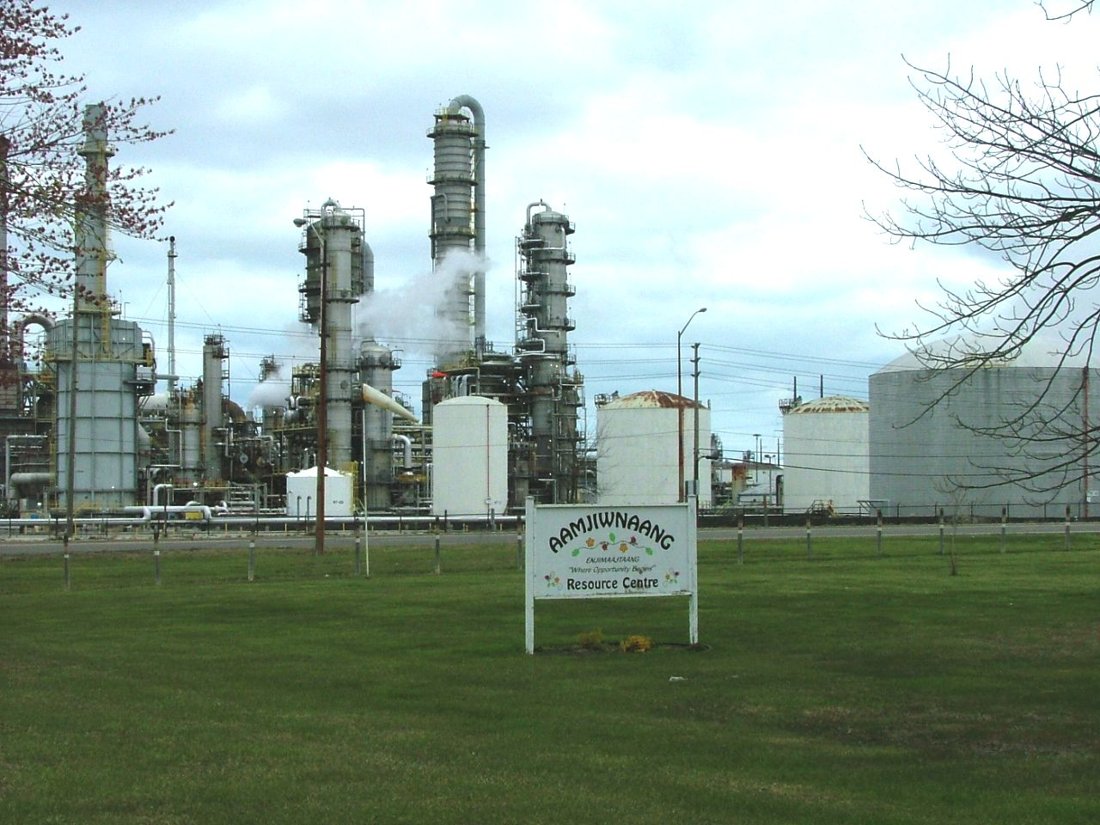
View from the Aamjiwnaang Resource Centre toward nearby industry, 2012. Photo: TheKurgan · Source · CC BY-SA 3.0. Resized for display.
Aamjiwnaang community members and research partners have challenged how industry communicates spills, flares and air releases.
What this work contributes: Their 2023 report documents gaps in pollution notifications and advances community-centred ways to govern information.
What we’re learning: Families need timely information they can understand and use.
Grassy Narrows & Wabauskang First Nations · Ontario
Water, wellbeing and generations belong together.
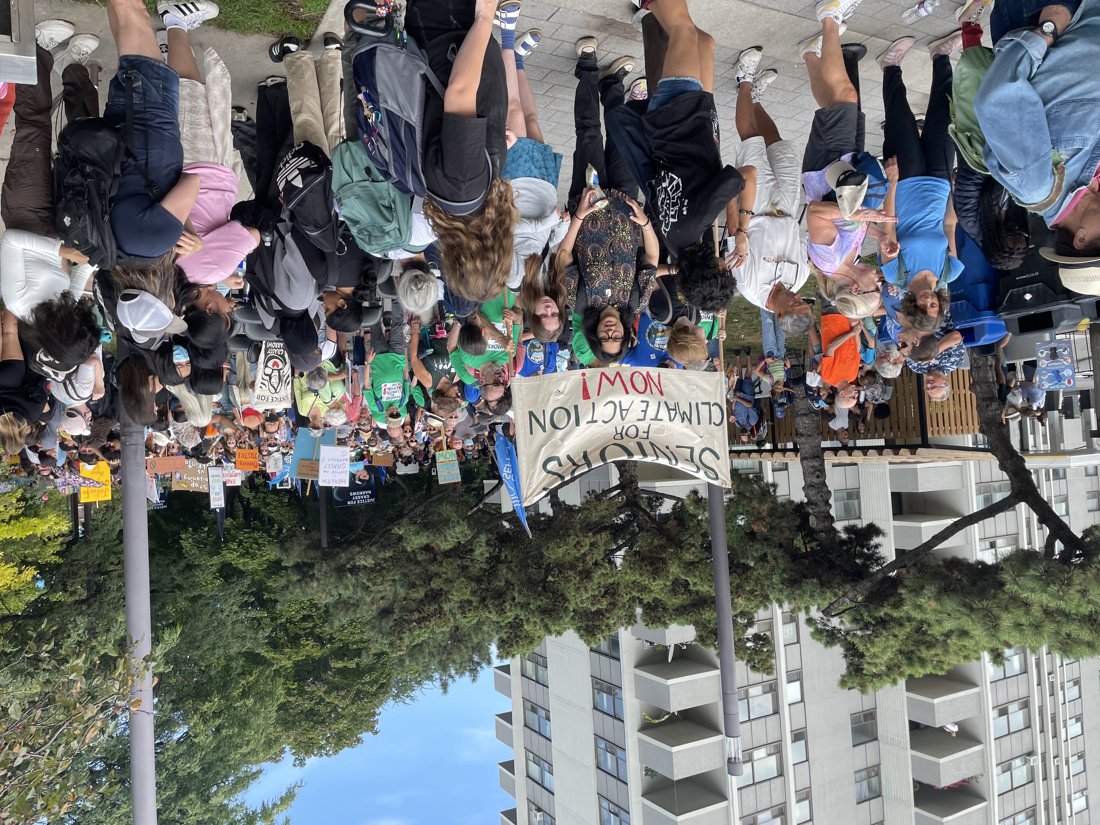
Toronto march in support of Grassy Narrows, September 18, 2024. This photograph shows the wider solidarity movement. Photo: Prplnorangesoda · Source · CC0. Resized for display.
Women’s leadership confronting mercury contamination connects the health of land, water, traditional foods and future generations.
What this work contributes: Community-engaged research makes the enduring cultural, social and health impacts visible. This work continues.
What we’re learning: Family wellbeing and ecosystem health belong in the same conversation.
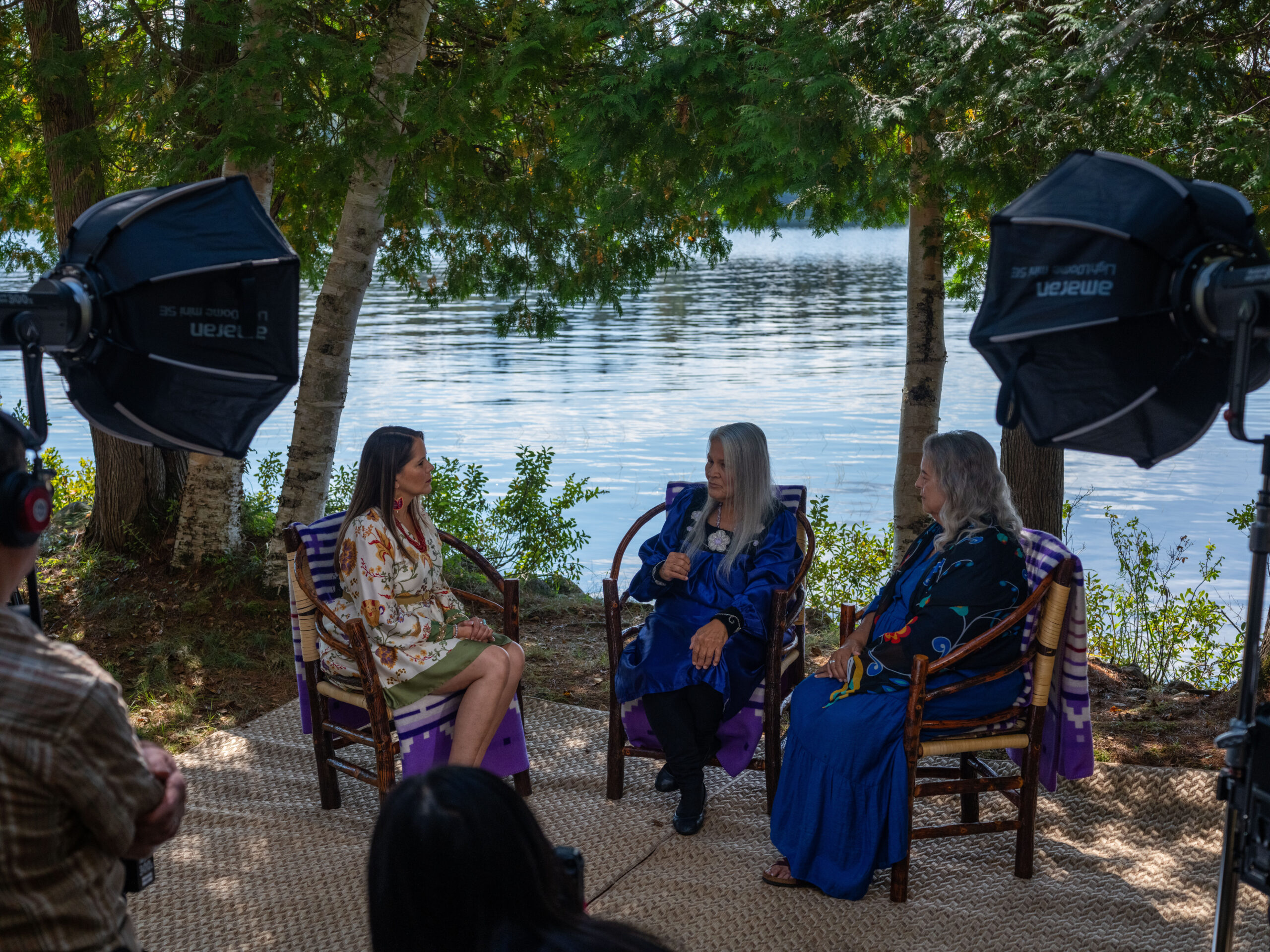
What if caring for the next generation begins with how we care for the living world? In First Environment, host Michelle Schenandoah speaks with Mohawk midwife and environmentalist Katsi Cook and Potawatomi author and botanist Robin Wall Kimmerer about our relationships with the living world and the first environment we experience.
A series grounded in Haudenosaunee teachings, created by the Haudenosaunee women-led organization Rematriation and Syracuse University Libraries’ Access Audio.
Different places. Shared courage. These stories show care becoming public action through neighbours, evidence and allies.
01 / Love Canal · New York
Lois Gibbs and the neighbours of Love Canal
They refused to let home become a sacrifice.
Lois Gibbs speaking to mining opponents in Michigan, 2010—decades after her Love Canal organizing. Photo: Yoopernewsman; crop by Lordal Planquette, Wikimedia Commons · CC BY-SA 3.0. Resized for display.
Lois Gibbs and her neighbours turned concern about buried chemical waste into a campaign for their families’ safety.
What changed: Families were evacuated and relocated; Love Canal became part of the federal Superfund cleanup program.
For our community: Local observations can become a collective demand for answers.
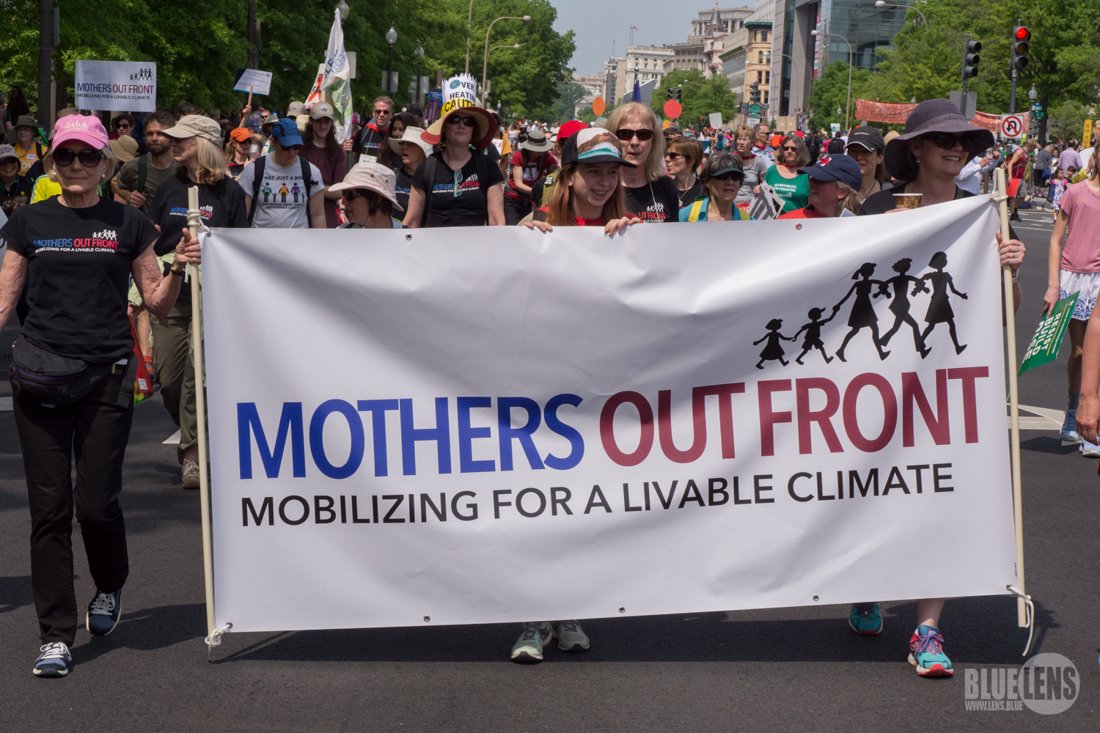
Mothers Out Front at the People’s Climate March in Washington, D.C., 2017. This is the wider movement, rather than the Worcester study activity. Photo: Mark Dixon, Wikimedia Commons · CC BY 2.0. Resized for display.
Families and researchers in Worcester developed a citizen-science program to make gas infrastructure easier to understand.
What changed: A 2023 qualitative study reported stronger advocacy capacity; it did not measure emissions reductions.
For our community: Learning alongside researchers can help neighbours use evidence together.
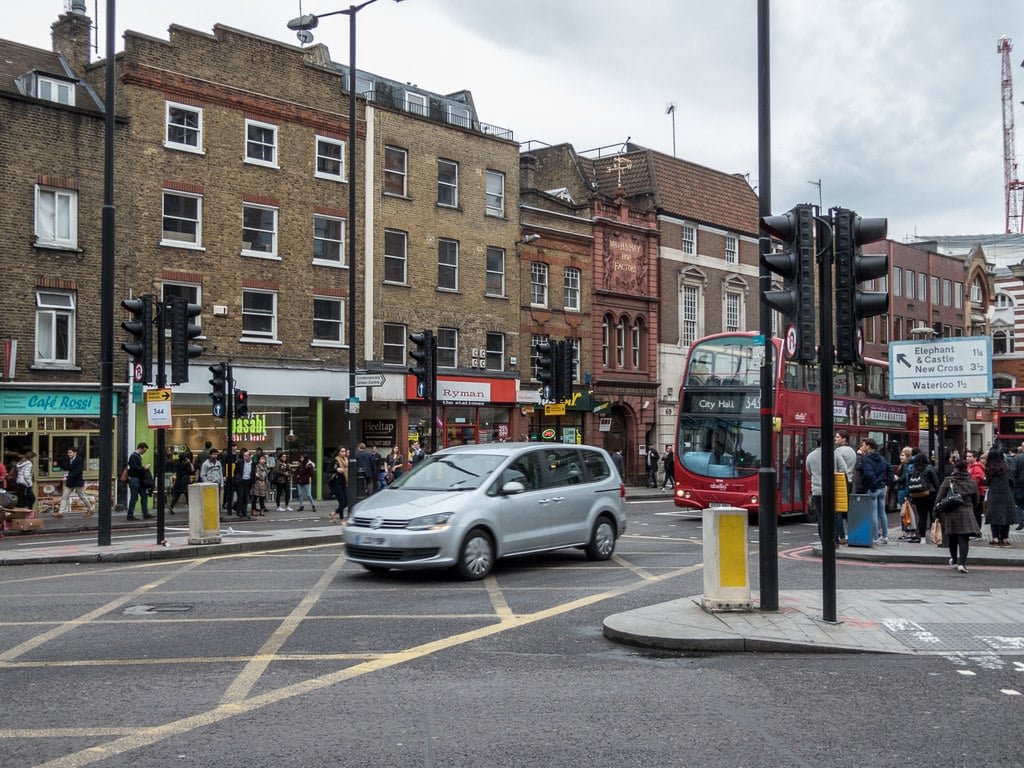
South London traffic: a photograph of the wider air-pollution setting, not a portrait of Rosamund or a view of Ella’s home. Photo: Christine Matthews · Source · CC BY-SA 2.0. Resized for display.
After her daughter Ella died, Rosamund pursued answers about air pollution with legal and medical allies.
What changed: The 2020 inquest found air pollution contributed to Ella’s death; a 2021 report called for institutional action.
For our community: Children’s health belongs at the centre of public decisions.
These stories draw on historical cases, qualitative research and official records. They document different kinds of impact: relocation, a cancelled project, stronger organizing capacity and a legal finding. Each campaign involved wider coalitions and its own circumstances.
Why moms / Why together
Care gives us a place to begin.
Motherhood connects us to the future in a deeply personal way. That care can be a starting point for something bigger, with parents, caregivers and neighbours beside us.
We think in generations.
Our children make the future feel close. We can bring that long view into decisions being made today.
We already have connections.
Playgrounds, school gates and kitchen tables give us places to listen, share questions and invite one another in.
We can learn together.
We don’t need to arrive as experts. We can ask researchers for help, compare evidence and make information accessible.
We know care takes a village.
A ride, a snack or a trusted childcare swap can make participation possible. Small acts can support a shared public voice.
Connection sustains us
We can care for this place. And let it care for us.
In a 2023 study, mothers described time in nature as a source of relief, perspective and connection—with their babies and with other people.
A shore walk. A shared pause. A moment to notice the water and breathe. Making room for those experiences is part of the community we want to build.
Explore the maternal wellbeing researchMaternal wellbeing / Connection with nature
Connection to the Earth can nourish us, too.
Mothers’ accounts of the impact of being in nature on postnatal wellbeing: a focus group study
Katherine Hall & colleagues · 2023 · BMC Women’s Health
In four focus groups with 30 mothers of children under five, participants described sensory connection with nature as restorative. They spoke of relief from daily pressures, fresh perspectives and opportunities to connect with their babies and other people. The study also explored barriers that can make getting outside difficult.
For Sound Moms: caring for the Howe Sound can include making space to be nourished by it—a gentle shore walk, a shared pause or time outdoors together, with practical support to make it accessible.
A qualitative study of mothers’ experiences; it does not establish cause and effect or measure a treatment benefit.
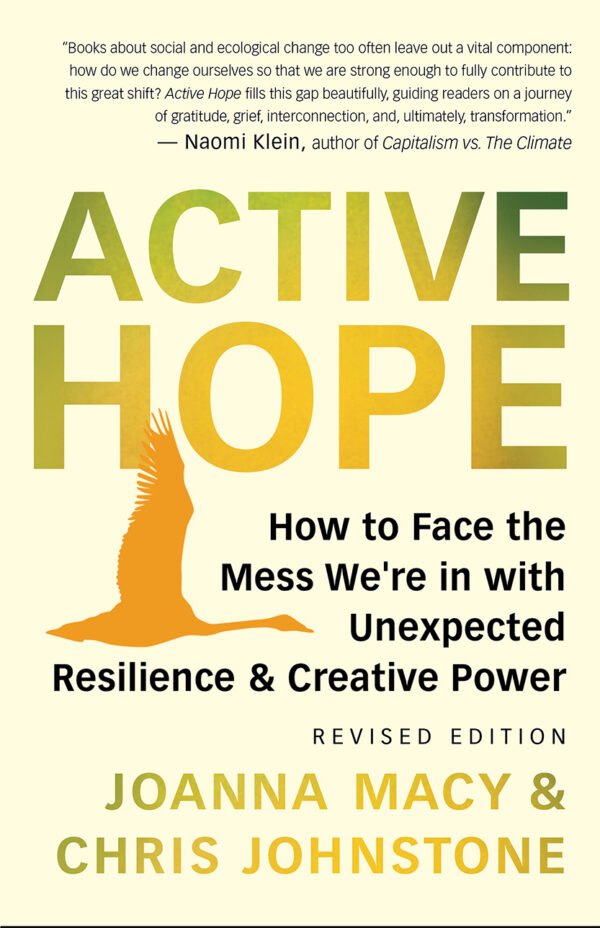
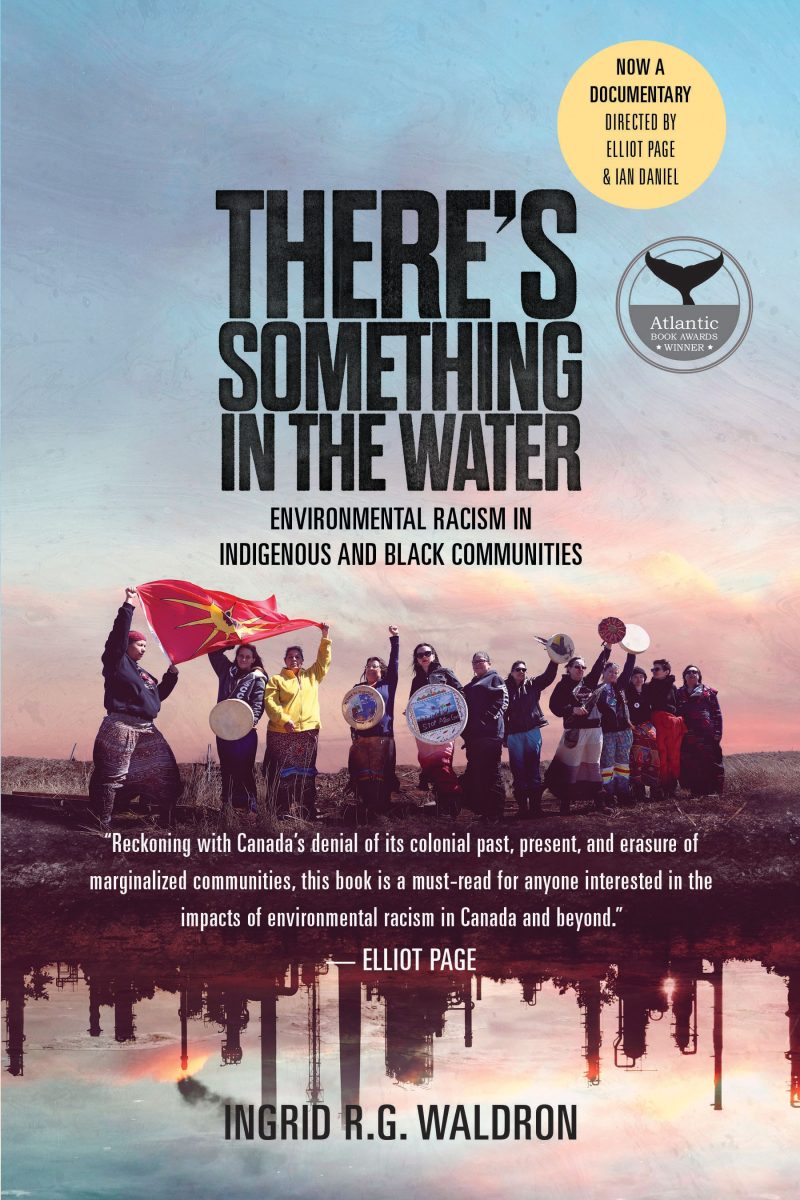
For a quiet moment, a shared read or a conversation with friends. These books offer different lenses: practical action, movement history, emotional resilience and environmental justice.
Find a starting point
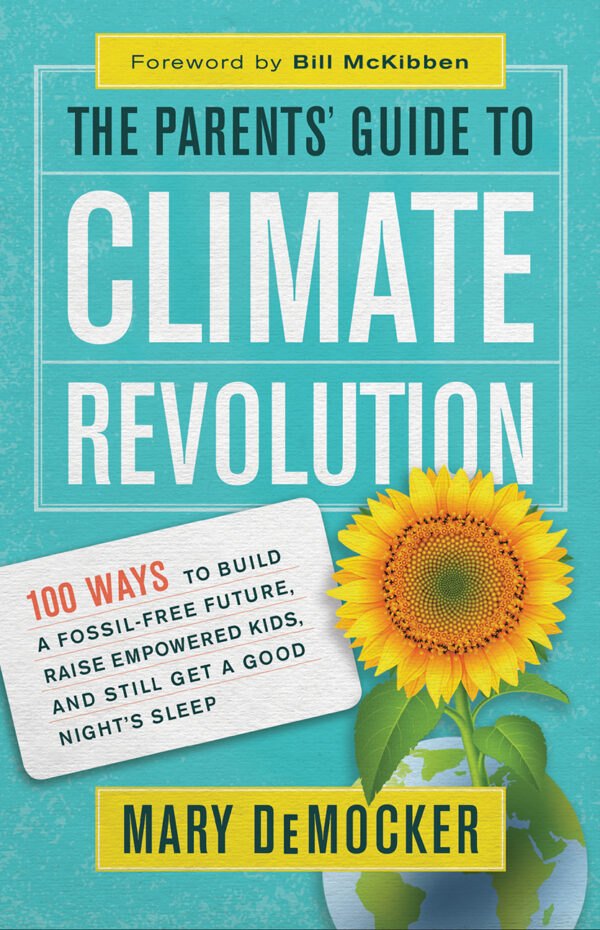
The Parents’ Guide to Climate Revolution
Mary DeMocker
For turning concern into family-friendly action. Short chapters explore organizing, empowered children and collective change.
A mother’s firsthand account of finding her voice and organizing neighbours to protect their families. Originally published in 1982; ask your library about this or a later edition.
These articles explore how mothers organize, build knowledge and share power. Cousins’ research also reminds us to share the work: environmental care should bring support and collective influence, with partners, neighbours and institutions taking responsibility too.
Research article
Care can mobilize us. The work needs to be shared.
A review and analysis of maternal environmental activism. Cousins describes motherhood as a historically powerful organizing frame, while examining how individualized responsibility for pollution and environmental protection can add to women’s unpaid work.
Elicia Mayuri Cousins · 2021
Study details & source
Mobilizing motherhood: The gendered burden of environmental protection
Historical research into how neighbourhood women used their roles as mothers to demand relocation and government protection for families at Love Canal.
Amy M. Hay · 2009
Study details & source
Recipe for Disaster: Motherhood and Citizenship at Love Canal
A qualitative evaluation of family-friendly citizen science developed with Mothers Out Front Worcester. It reports stronger capacity to understand and advocate on gas infrastructure, rather than a measured emissions reduction.
Sarah Lerman-Linkoff, Sara Wylie, Kirk Jalbert, Gaylen Moore & John Rogan · 2023
Study details & source
“Become a Gas Leak Detective!” Evaluating a multigenerational citizen science program for connecting distribution pipelines to energy justice
Sarah Lerman-Linkoff, Sara Wylie, Kirk Jalbert, Gaylen Moore & John Rogan · 2023 · Energy Research & Social Science
Documents women’s work confronting environmental contamination, with attention to traditional foods, Indigenous Knowledge and the continuing effects on community life.
For Sound Moms: keep ecosystem health and family wellbeing in the same conversation.
The Responsibilities of Women: Confronting Environmental Contamination in the Traditional Territories of Asubpeechoseewagong Netum Anishinabek (Grassy Narrows) and Wabauskang First Nation
Leanne Simpson, Judy DaSilva, Betty Riffel & Patricia Sellers · 2009 · International Journal of Indigenous Health
In a qualitative study of nine formerly homeless women living in supportive housing in Ottawa, participants described how a local park shaped wellbeing and connection to their community. Free events and opportunities to meet others mattered more to them than the park’s appearance.
The study also documented experiences of exclusion. It points to the importance of welcoming, accessible gathering places; it did not test a mental-health treatment.
Jocelyn Plane & Fran Klodawsky · 2013
Study details & source
Neighbourhood amenities and health: examining the significance of a local park
Jocelyn Plane & Fran Klodawsky · 2013 · Social Science & Medicine
 sound moms